Philodendron Pink Princess
Philodendron Pink Princess is known for its striking pink variegation against deep green foliage. Discover its unique characteristics, care requirements, and tips for growing this beautiful tropical foliage plant.
₫550,000
Up to 10 per order
5 in stock
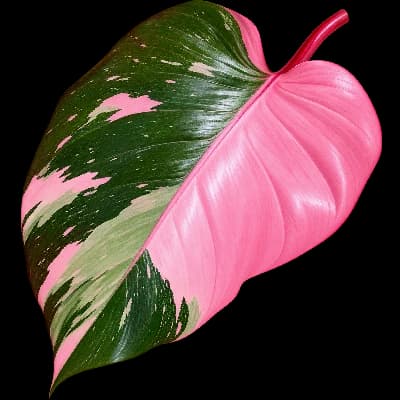
Philodendron Pink Princess, commonly known as Pink Princess, is one of the most recognizable Philodendrons thanks to its striking pink variegation against deep green foliage. The combination of green, pink, and sometimes very dark areas creates a distinctive appearance that makes this plant especially appealing to foliage collectors.
What Makes Pink Princess Special?
The main attraction of Pink Princess is the unique color pattern on its leaves. Pink areas can appear in many different shapes and sizes, ranging from small speckles to large sections across the leaf.
Each new leaf can develop a different level of variegation, which means the appearance of the plant can change as it grows. This unpredictability is part of what makes Pink Princess interesting to collectors.
New leaves may emerge with particularly vibrant coloration before gradually settling into their mature appearance.
Light Requirements
Light plays an important role in keeping Pink Princess healthy. The plant prefers bright, indirect light.
A location near a window with filtered sunlight is often suitable. Good light supports healthy growth and can help the plant maintain attractive coloration.
Avoid prolonged exposure to intense direct sunlight, as the lighter pink areas of the leaves can be more susceptible to sun damage.
Watering
Pink Princess should not be kept in constantly wet soil. Allow the growing medium to dry slightly before watering again.
When watering, thoroughly moisten the growing medium and allow excess water to drain completely from the pot. Avoid letting the plant sit in standing water, as this can reduce oxygen around the roots and increase the risk of root problems.
Growing Medium
An airy, well-draining growing medium is ideal for Pink Princess.
A mix containing orchid bark, perlite, coco fiber, and other coarse organic materials can provide a good balance between moisture retention and aeration.
The goal is not to follow one specific recipe but to create a medium that holds enough moisture while allowing plenty of air to reach the roots.
Humidity
Pink Princess generally performs well in moderately humid environments. However, high humidity should always be paired with good air circulation.
A space that is consistently humid, enclosed, and poorly ventilated can create conditions that encourage leaf and root problems.
Why Does Pink Princess Have Pink Leaves?
The pink coloration is related to variegation, where certain areas of the leaf contain less or no chlorophyll compared with the green portions.
The amount of variegation can vary from leaf to leaf. Some leaves may have only a few small pink patches, while others can develop large areas of pink.
This means that every new leaf may not necessarily have the same amount of pink as the previous one.
Is Pink Princess Easy to Care For?
Pink Princess is not particularly difficult if you are already familiar with caring for Philodendrons. The most important factors are providing suitable light and avoiding excessive watering.
Focus on three fundamentals: bright indirect light, an airy growing medium, and proper watering. With consistent care, the plant can produce healthy new leaves and become a beautiful focal point in a plant collection.
Final Thoughts
Philodendron Pink Princess is an excellent choice for anyone who enjoys distinctive foliage and unusual coloration. The contrast between its pink variegation and deep green leaves gives each plant a unique character.
For collectors looking for a Philodendron with both attractive foliage and interesting color variation, Pink Princess is a fascinating addition to any indoor plant collection.