Monstera
White Lava
From entire leaves to deep lobes: be patient and let it climb if you want the adult form.
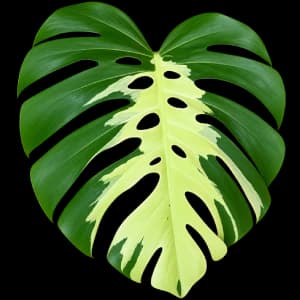
Monstera White Lava is a striking Monstera variety known for its natural white variegation across rich green leaves. The contrast between the two colors creates a distinctive appearance while preserving the tropical character that makes Monstera so appealing. Each leaf can develop a different pattern, ranging from small white markings scattered across the surface to larger areas of variegation, giving every plant its own unique look.
Monstera White Lava
One of the most attractive features of White Lava is the balance between its green and white areas. The green portions remain important for photosynthesis, while the white areas create the characteristic visual appeal of the plant. For this reason, White Lava benefits from bright, indirect light to support healthy growth and maintain strong foliage. With the right growing conditions, new leaves can continue to develop with their own distinctive patterns, making White Lava an eye-catching addition to a Monstera collection.
Characteristics of Monstera
Monstera is one of the most popular tropical houseplant groups, loved for its large green leaves and distinctive natural splits and holes. Native to tropical regions of Central America, Monstera is an evergreen climbing plant that can grow vigorously when given suitable conditions. Its bold foliage makes it a natural choice for homes, offices, and modern interior spaces.
The leaves are one of Monstera's most recognizable features. Young leaves are usually simpler in shape, gradually developing their characteristic splits and fenestrations as the plant matures. Monstera is also a climbing plant and can produce aerial roots from its stems as it grows. A moss pole or other support can be used to encourage the plant to grow upward rather than spreading outward.
Light Requirements
Monstera prefers bright, indirect light. A location near a window with filtered natural light is often a good choice. Too little light can slow growth, while strong direct sunlight can scorch or damage the leaves.
For White Lava, light is particularly important because the white areas of the leaves contribute less to photosynthesis than the green portions. Providing bright, indirect light helps the green areas support the plant's growth while allowing the variegated foliage to remain healthy and attractive.
Soil and Growing Medium
A well-aerated growing medium is important for Monstera. The plant enjoys moisture, but its roots also need access to oxygen. If the soil stays wet for too long or becomes compacted, the roots may struggle to breathe and become more vulnerable to root rot.
When growing Monstera in a container, choose a medium that drains well while still retaining a moderate amount of moisture. The pot should also have drainage holes so excess water can escape.
Watering Monstera
Watering is one of the areas where new Monstera growers can easily make mistakes. Instead of following a rigid watering schedule, check the moisture level of the soil before watering. Monstera prefers moderate moisture but does not like to remain in constantly saturated soil.
When watering, thoroughly soak the soil until excess water drains from the bottom of the pot, then allow the growing medium to dry somewhat before watering again. Keeping the roots wet for extended periods can eventually lead to root damage or rot.
Humidity and Growing Environment
As a tropical plant, Monstera generally performs well in a warm environment with relatively stable humidity. However, humidity in the air and moisture in the soil are not the same thing. The plant may appreciate humid air while still requiring a well-draining growing medium and periods of drying between waterings.
When growing Monstera indoors, avoid placing it directly in the airflow from an air conditioner or heater. Constant dry airflow can cause the leaves, especially their tips and edges, to become dry.
Keeping Monstera Leaves Looking Their Best
Large, impressive leaves are one of Monstera's main attractions, so keeping them clean is an important part of regular care. Dust can accumulate on the leaf surface and affect the plant's ability to photosynthesize effectively.
Gently wiping the leaves with a soft, damp cloth or sponge can help keep them clean. It is also a good opportunity to inspect the underside of the leaves for early signs of pests and check the overall condition of the plant.
When Should You Repot Monstera?
As Monstera grows, its root system will eventually need more space. A plant may need repotting after approximately 18–24 months, or sooner if the roots have outgrown the current container.
Avoid moving the plant into a pot that is dramatically larger than the previous one. Excess soil can retain too much moisture around the roots and increase the risk of overwatering. A slightly larger pot is usually a better choice for steady growth.
Common Monstera Problems
Although Monstera is generally considered easy to grow, the plant can still develop problems when its growing conditions are not balanced. Yellow leaves may be associated with watering issues, while brown leaf tips or edges can appear when the plant becomes too dry or the surrounding conditions are unsuitable.
If the leaves begin to wilt, check both underwatering and overwatering. When a plant has remained excessively wet for too long, the roots may develop rot and should be inspected. Damaged roots can be removed before repotting the plant into fresh, well-draining growing medium.
Monstera – A Living Piece of the Tropics
What makes Monstera special is not only its distinctive foliage but also the way the plant changes as it grows. A young plant can begin with relatively simple leaves before gradually developing larger foliage with more pronounced splits and fenestrations.
With White Lava, every new leaf can also bring a little surprise as its white and green areas develop into a unique pattern. With suitable light, an airy growing medium, thoughtful watering, and a stable environment, Monstera can become a beautiful and lasting green feature in any living space.
Reviews
No reviews yet. Be the first to share your experience.