Alocasia Polly Pink Var
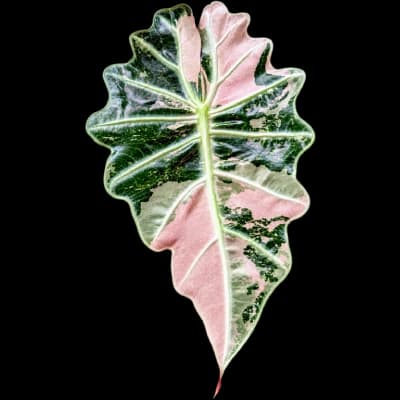
Alocasia Polly Pink Var features distinctive arrow-shaped foliage, prominent veins, and attractive pink, white, or cream variegation. Its compact form and unusual coloration make it a striking addition to an Alocasia or tropical foliage collection.
₫1,200,000
Up to 10 per order
1 in stock
Alocasia Polly Pink Var is a distinctive variegated form appreciated for its sharply shaped foliage, prominent veins, and attractive pink, white, or cream markings. The contrast between the deep green leaves and lighter variegation gives the plant a dramatic appearance.
Its relatively compact growth makes it suitable for indoor spaces, sheltered balconies, or tropical foliage collections.
What Makes Alocasia Polly Pink Var Special?
Alocasia Polly is known for its arrow-shaped leaves with strongly defined edges and prominent veins. The lighter veins create a striking contrast against the dark green foliage.
The Pink Var form adds another layer of interest through pink, white, or cream variegation. Each leaf can develop a different pattern, making the plant visually interesting as it grows.
A single plant may produce leaves with different amounts of variegation, which is part of the appeal of collecting this type of plant.
Light Requirements
Alocasia Polly Pink Var prefers bright, indirect light.
A location near a window with filtered natural light is often ideal. Sufficient light helps maintain healthy foliage and supports the development of new leaves.
Avoid prolonged exposure to intense direct sunlight, especially during the hottest part of the day. The lighter pink and white areas may be more sensitive to strong sunlight.
Watering
Alocasia prefers consistent moisture but does not like its roots to remain waterlogged for extended periods.
Check the upper layer of the growing medium before watering. When it has dried slightly, water thoroughly and allow excess water to drain completely.
Rather than following a fixed watering schedule, adjust watering according to temperature, humidity, light levels, pot size, and the growing medium.
Growing Medium
A light, airy, and well-draining growing medium is ideal for Polly Pink Var.
Materials such as orchid bark, perlite, coco coir, and coarse organic components can help balance moisture retention with good airflow around the roots.
The container should also have adequate drainage holes to prevent water from accumulating around the root system.
Humidity and Temperature
Polly Pink Var generally performs well in warm environments with moderate to high humidity.
When grown indoors with air conditioning, very dry air may cause crispy leaf edges or slower growth. Maintaining suitable humidity around the plant can help, while good air circulation should still be maintained.
Avoid placing the plant directly in strong cold or forced airflow for extended periods.
Pink Variegation
The most distinctive feature of Polly Pink Var is the appearance of lighter-colored sections across its dark green leaves.
Pink variegation can appear in many different patterns, ranging from small spots to larger sections. Some leaves may display a significant amount of light coloration, while others may remain predominantly green.
This variation is normal in variegated plants and gives each specimen its own appearance.
Highly variegated leaves contain less green tissue available for photosynthesis, making suitable lighting and overall plant health particularly important.
Is Alocasia Polly Pink Var Easy to Care For?
Alocasias generally prefer stable growing conditions and can be more sensitive to sudden environmental changes than some other foliage plants.
Polly Pink Var is not necessarily difficult to grow, but it benefits from a good balance between watering, light, humidity, and root aeration.
When grown in a suitable location with consistent care, the plant can maintain attractive foliage and continue producing new leaves.
Common Problems
Yellowing leaves are one of the more common issues with Alocasia. Possible causes include overwatering, poor drainage, environmental changes, or the natural aging of older leaves.
Crispy leaf edges may occur when humidity is too low or when the plant remains dry for too long.
Regularly inspect the undersides of leaves, petioles, and sheltered areas within the foliage to catch pests such as spider mites and thrips early.
Propagation
Alocasias are commonly propagated through corms, offsets, or young plants that develop around the mother plant.
When separating an offset or corm, handle the roots carefully to minimize damage. After separation, provide warm conditions, moderate humidity, and suitable light to help the new plant establish.
Final Thoughts
Alocasia Polly Pink Var is an appealing choice for collectors who enjoy bold foliage and unusual coloration. Its dark green leaves, prominent veins, and pink, white, or cream variegation give it a distinctive character.
With bright indirect light, an airy growing medium, suitable humidity, and consistent watering, Polly Pink Var can become a beautiful focal point in an Alocasia collection.